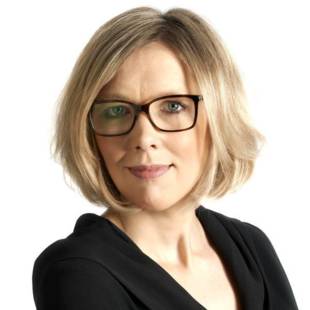
Landsec, Deborah Freeman-Watt, Head of Urban Opportunities

Q. Can you tell us about your role at Landsec?
It is a new role created a year ago as part of the company’s strategy to give focus to its approach to growing mixed use urban neighbourhoods. In practice, this entails reviewing our portfolio and identifying properties which perhaps won’t be fit for purpose in the next twenty or thirty years, but recognising they are key sites in vibrant communities and exploring how they can be evolved and repurposed for sustainable modern and working, living and leisure use.
Q. How is Landsec approaching this repurposing of its assets?
We undertook a review of the key sites in our portfolio which we believed required repositioning and developed bespoke masterplans to deliver residential-led approaches to design and deliver new, sustainable urban neighbourhoods. The focus is to work with and for local communities to ensure our spaces make a positive contribution to the wider regeneration and long-term success and prosperity of the areas in which they are located.
Q. Can you elaborate further on the significance of your bespoke masterplans?
Each development has its own specific framework with a clear vision, at the heart of which lies its identity, reflecting and supporting the character of the local community. It is not about imposing Landsec’s view of the world and developing projects through our own lens and creating identikit, soulless town centres and high streets. We have to understand what makes individual communities tick, how we can make the most positive social and economic impact to the local environment, and this can only be achieved through close collaboration with local communities.
Q. Has the approach to urban development changed in recent years?
Yes, and the most influential point of difference has been the role of sustainability, which is now a fundamental part of all our projects. This applies to not only the net carbon zero of the development, but also the social impact on local communities, which, as an industry, real estate is now starting to get to grips with. While this is not as quantifiable as the environmental sustainability of the bricks and mortar, it is equally important when developing communities to live, work and play in.
Q. What is the biggest challenge you face in developing mixed- use urban developments?
Developing projects of such scale in urban communities is a complex and substantial undertaking, requiring longterm commitment, over a time period of ten years and even longer. Therefore, we need to forecast on what young people aged ten to fifteen years old will want from their work and living environments when they become adults. The real challenge lies in knitting together all the different components into one cohesive, joined-up development. The new retail strategy must complement the residential plan, equally the leisure and food and beverage offering must be aligned with the office provision. This can’t be achieved in a vacuum. Engagement, and partnership with all stakeholders, such as local authorities and community groups, is essential in bringing them on the journey and maintaining momentum through the myriad of stages of planning and development.
Q. How can such developments breathe new life and attract people back into our towns and cities?
Amenities need to be relevant to both immediate audiences while drawing in people from further afield. Bespoke retail and leisure strategies must meet the demands and interests of the local demographics, appealing to a broad crosssection of the local population, both young and old. Engaging with local businesses and entrepreneurs and providing them with the opportunity to operate and a have a voice is a good way of integrating a development with the local culture. Another important landscaping, enhancing air quality and local biodiversity. Creating calming places, often amid hard-surfaced urban environments, makes an enormous difference to the peace and wellbeing of their users and inhabitants. A great example is the transformational Mayfield regeneration project in Manchester, where we are creating the city’s first new public park in over 100 years, a 6.5-acre green space at the heart of the development.
Q. Including Manchester, Landsec is active in a range of key regional cities in the UK?
London remains very important to us; we have over 50 acres of land across the capital where we are delivering a range of mixed-use urban developments. The UK has such a diverse range of vibrant cities with large populations, and we are excited by the opportunities to work in partnership with local authorities in cities such as Manchester, Leeds and Glasgow to unlock the potential and help revitalise the urban core.
Other Repurposing Real Estate Interviews
Repurposing Real Estate - The future of the world's towns and cities

Name: Deborah Freeman-Watt
Title: Head of Urban Opportunities
Company: Landsec


